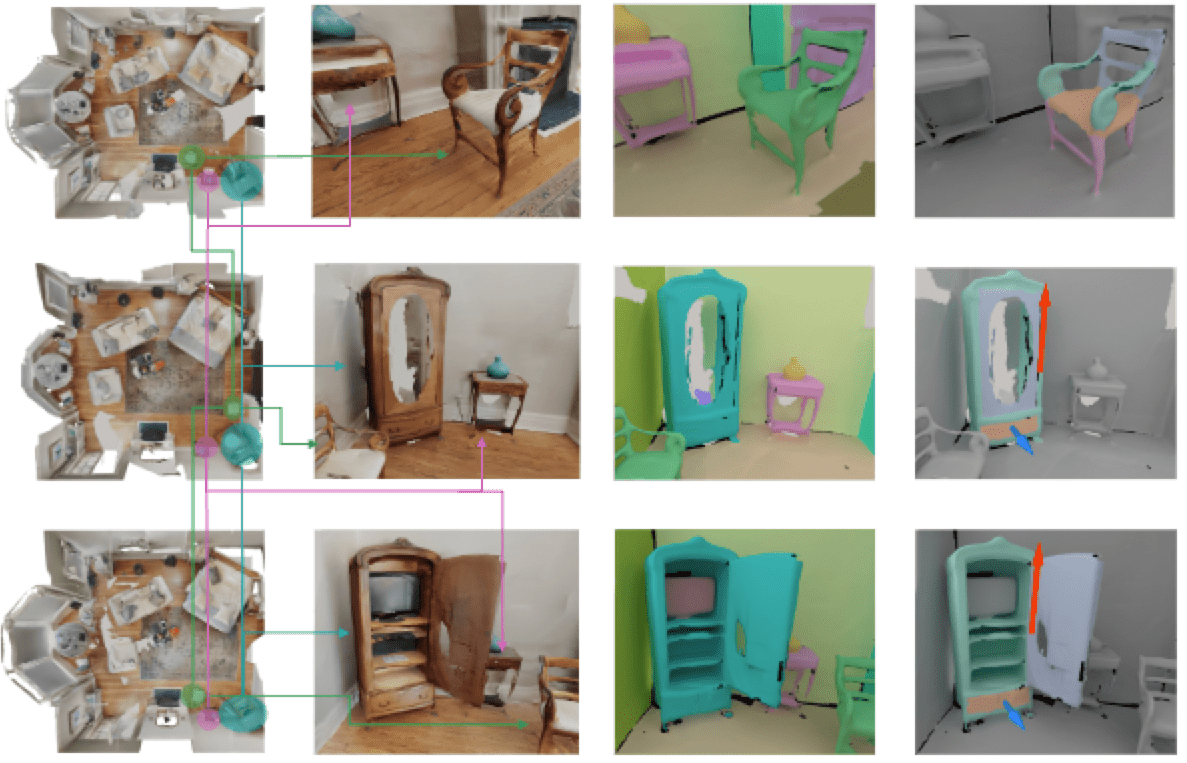
3DLG group photo in February 2026

3D Language and Generation

We study how machines perceive, describe, generate, and interact with 3D worlds through language, geometry, embodied AI, and generative models.

22 current researchers
9 research themes

Connecting 3D worlds with language and generation.

The 3DLG group (3D, Language, Generation) focuses on research involving 3D representations, natural language, and 3D content generation.

3D representations

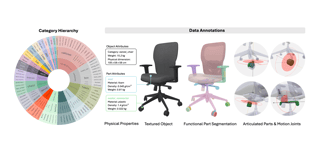
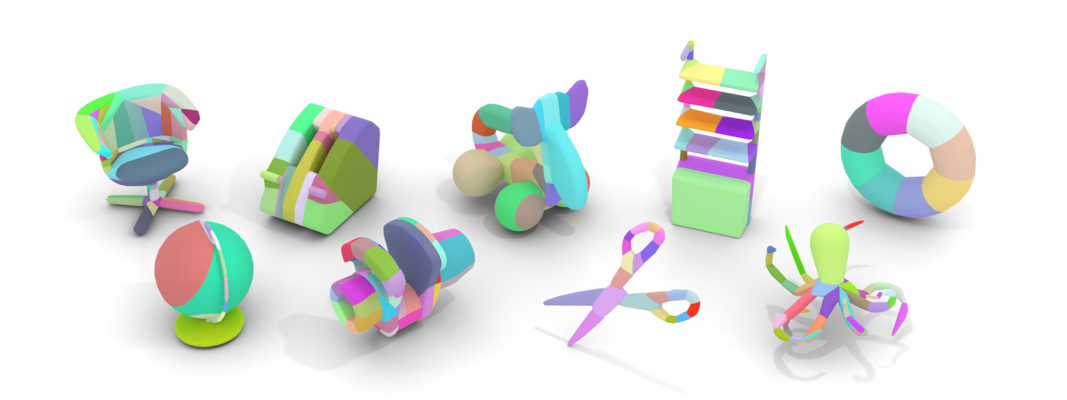
We build datasets, models, and benchmarks for understanding shapes, scenes, articulated objects, and human-object interactions.
Language and grounding

We connect natural language to 3D perception through visual grounding, dense captioning, question answering, and multimodal embeddings.

Generative 3D AI

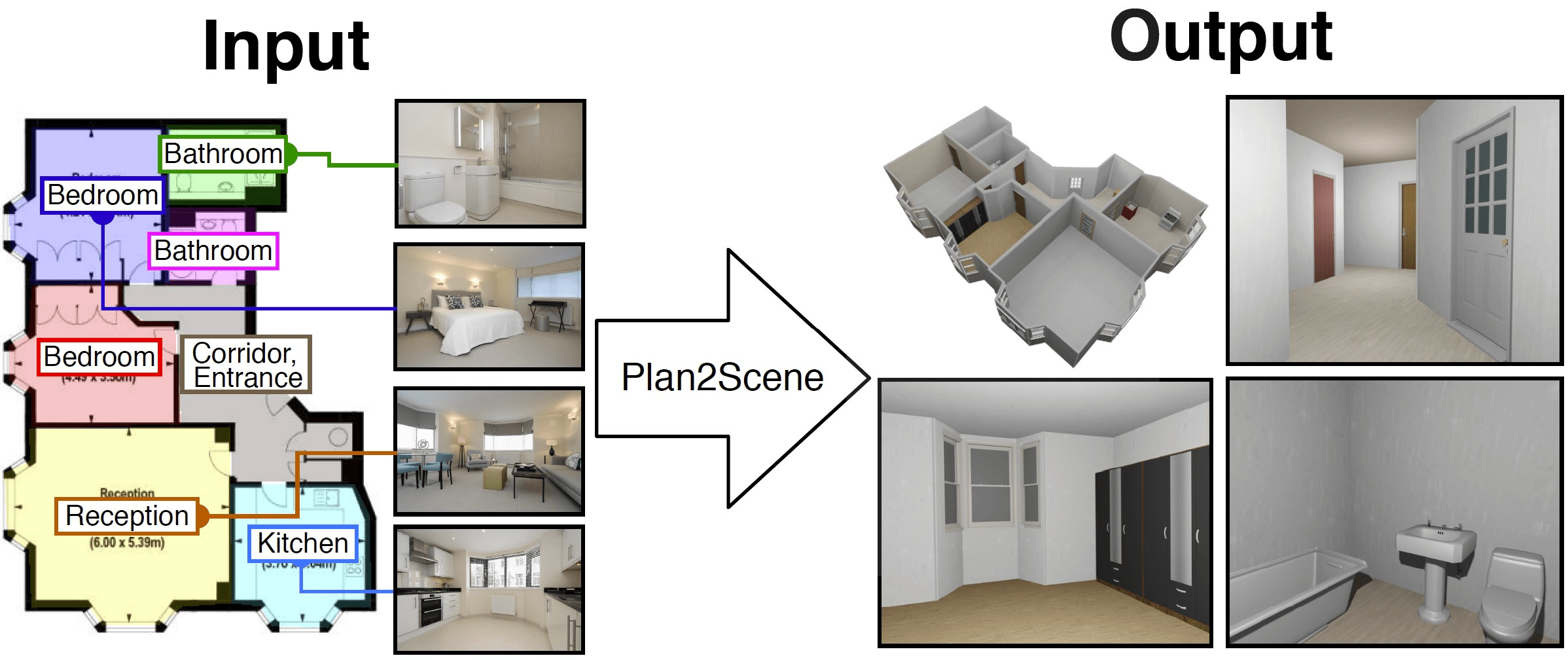
We study scene synthesis, text-to-3D generation, digital twins, and controllable models for interactive environments.

Recent Publications

Selected recent papers from the group.

View all
ReVSI: Rebuilding Visual Spatial Intelligence Evaluation for Accurate Assessment of VLM 3D Reasoning
ICML 2026

ReVSI: Rebuilding Visual Spatial Intelligence Evaluation for Accurate Assessment of VLM 3D Reasoning

Yiming Zhang, Jiacheng Chen, Jiaqi Tan, Yongsen Mao, Wenhu Chen, Angel X. Chang

VisACD: Visibility-Based GPU-Accelerated Approximate Convex Decomposition
Eurographics 2026 (Short Paper)

VisACD: Visibility-Based GPU-Accelerated Approximate Convex Decomposition

Egor Fokin, Manolis Savva

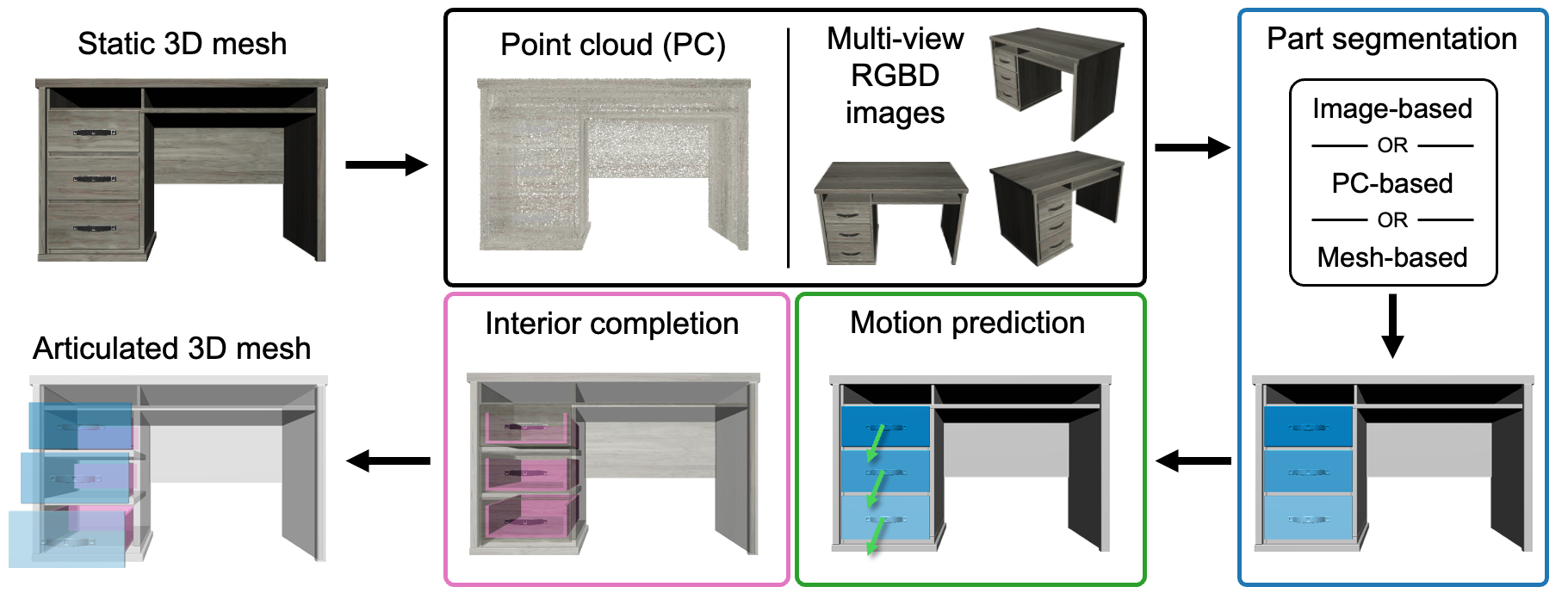
S2O: Static to Openable Enhancement for Articulated 3D Objects
WACV 2026

S2O: Static to Openable Enhancement for Articulated 3D Objects

Denys Iliash, Hanxiao Jiang, Yiming Zhang, Manolis Savva, Angel X. Chang

HSM: Hierarchical Scene Motifs for Multi-Scale Indoor Scene Generation
3DV 2026

HSM: Hierarchical Scene Motifs for Multi-Scale Indoor Scene Generation

Hou In Derek Pun, Hou In Ivan Tam, Austin T. Wang, Xiaoliang Huo, Angel X. Chang, Manolis Savva

Research Themes

A snapshot of active directions across the lab.
View all
BIOSCAN

BIOSCAN

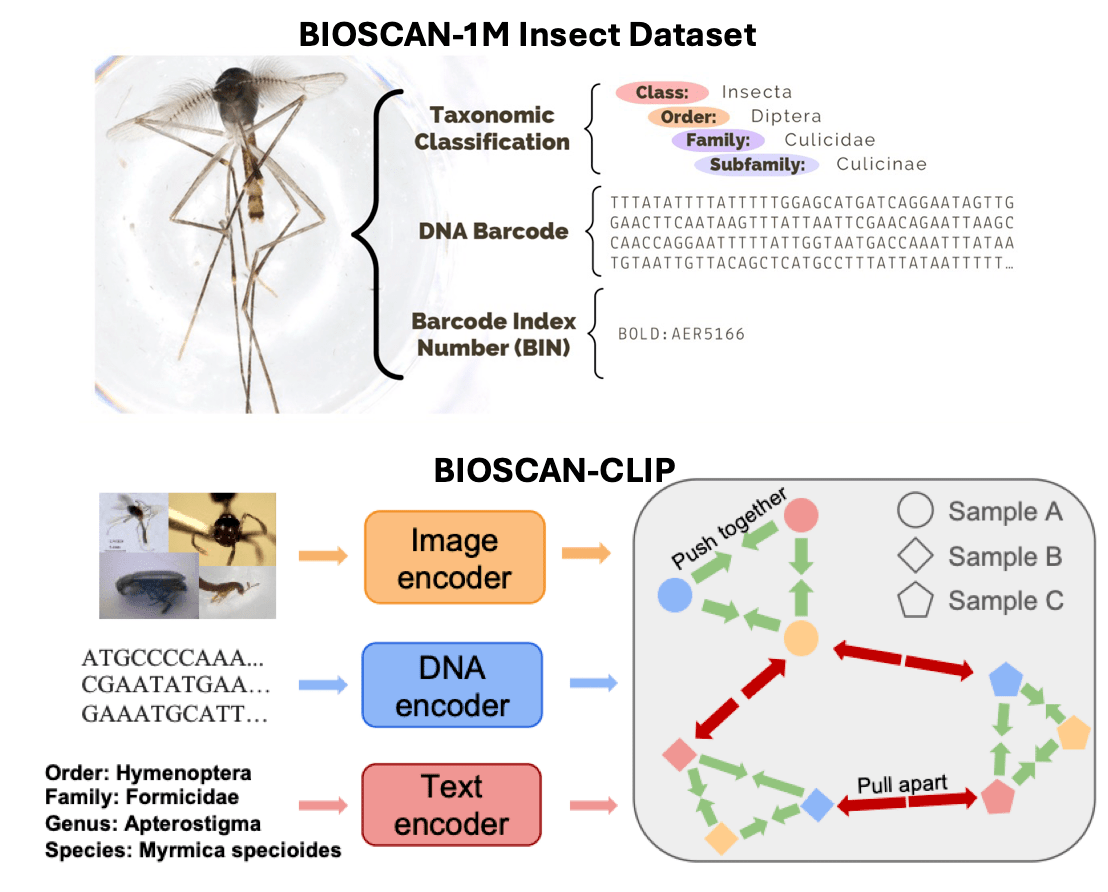
Monitoring and understanding the biodiversity of our world is becoming increasingly critical. BIOSCAN is a large, inter-disclinary effort lead by the International Barcode of Life (iBOL) Consortium to develop a global biodiversity monitoring system. As part of this larger project, we have ongoing collaborations with University of Guelph and University of Waterloo to explore how to use recent development in machine learning to assist with biodiversity monitoring. As a first step, we have introduced datasets (BIOSCAN-1M,BIOSCAN-5M) and developed self-supervised and multimodal models for taxononomic classification (BarcodeBERT,CLIBD).
Articulated Object Understanding and Generation

Articulated Object Understanding and Generation

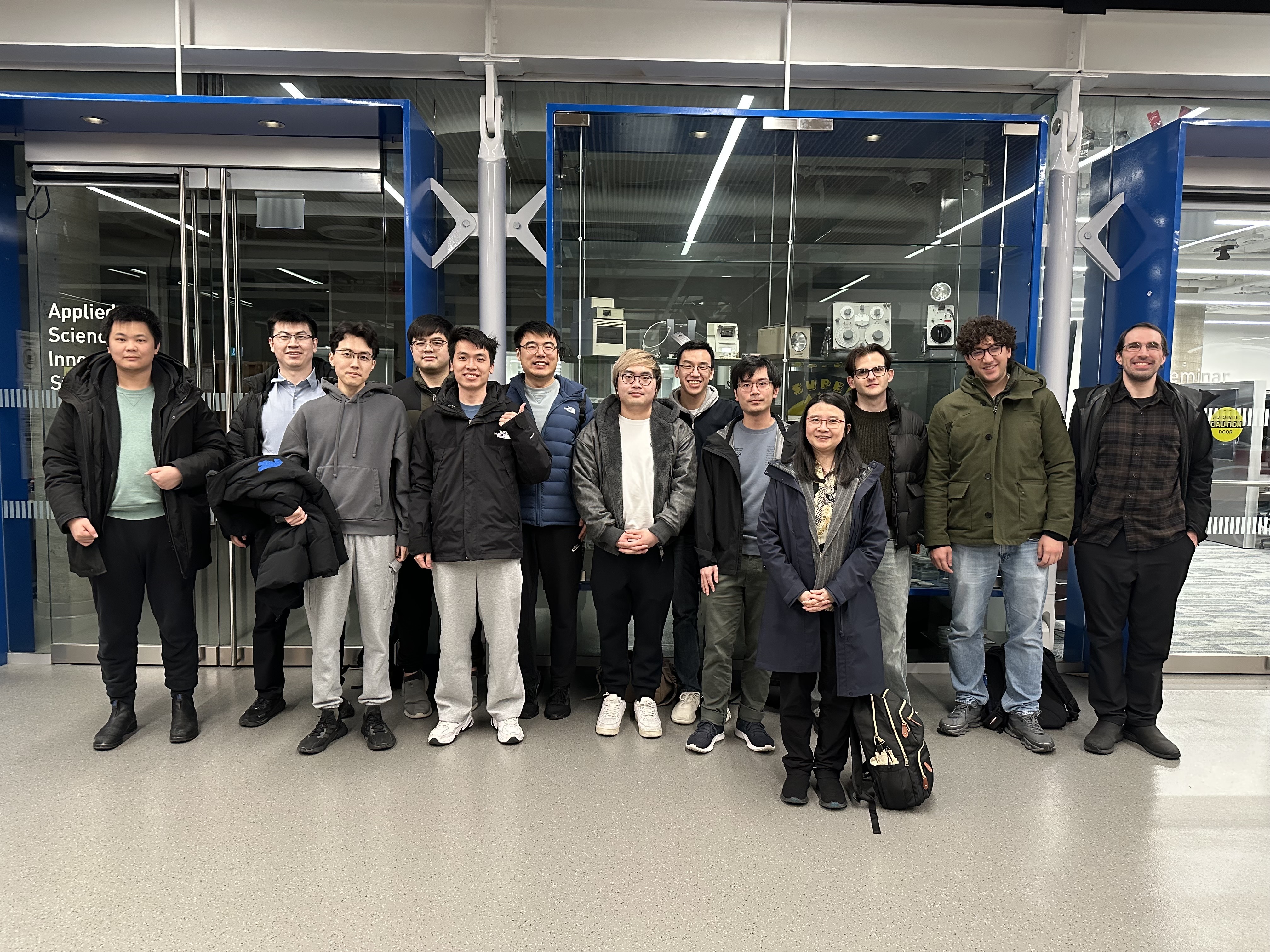
Everyday indoor environments are filled with interactable, articulated objects. We aim to be able to create such interactive environments. To better understand the types of articulated objects found in the real-world, we introduce MultiScan, a dataset of 3D scans of annotated parts and articulation parameters. We also work on the reconstruction of articulated objects from two views (PARIS) and generative models for creating new articulated objects (CAGE).

Latest News

Talks, publications, conference activity, and lab updates.

All news

Workshops and papers at ICCV 2025

Talks Oct 19th (pm) - Angel will be giving a talk at the Workshop on Open-Vocabulary 3D Scene Understanding Oct 20th (am) - Manolis will be giving a talk at the Work...